




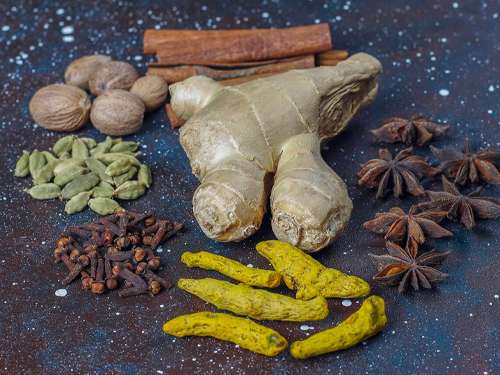
Spices have been an essential part of global cuisine for centuries, valued for their flavor, aroma, and health benefits. Today, the demand for high-quality spices like ginger, turmeric, and whole herbs is rapidly increasing in both domestic and international markets. Food manufacturers are focusing on maintaining purity and consistency to meet consumer expectations. This has created a strong need for efficient spice processing solutions.
Modern spice processing involves multiple stages, including cleaning, drying, grinding, and packaging. Advanced machinery ensures that these processes are carried out with precision and hygiene. Automated systems help in preserving the natural color, flavor, and nutritional value of spices. This not only improves product quality but also increases production efficiency for large-scale operations.
Hygiene and contamination control are critical in spice processing industries. Stainless steel equipment and controlled environments help maintain food safety standards. Proper sorting and grading systems ensure only high-quality raw materials are used. These practices are especially important for export-oriented businesses where quality regulations are strict.
With growing awareness of natural and organic products, the spice industry is expected to expand further. Companies investing in modern processing technologies can gain a competitive advantage in the market. Efficient machinery reduces wastage, lowers operational costs, and enhances product consistency. This makes spice processing a profitable and sustainable segment in the food industry.
Spices have been an essential part of global cuisine for centurie
READ FULLPlant nurseries play a crucial role in modern agriculture by ensu
READ FULLGinger has become one of the most valuable natural ingredients in
READ FULL

Have a question or need a quote? Fill out this form and our team will get back to you quickly!